
History | Patek Philippe Rules Swiss Watchmaking
You’ve seen the astronomical price tags, and honestly, it’s natural to ask: “Is this really worth it, or is it just clever marketing?” Here is the truth most people miss. While other luxury giants eventually sold out to big corporations, Patek Philippe did something risky—they stayed independent. Since 1839, this unique freedom under the Stern family has allowed them to ignore trends and focus on the kind of insane quality that creates $31 million auction records. But how did they survive alone when so many others failed? It wasn’t luck. We are about to reveal the untold story of survival and “secret” family strategies that turned a small Swiss workshop into the undisputed King of Watches. Ready to see what you’ve been missing?
From 1839 to Icon: Patek Philippe’s Rise
The Humble Beginnings: a Dream (1839)
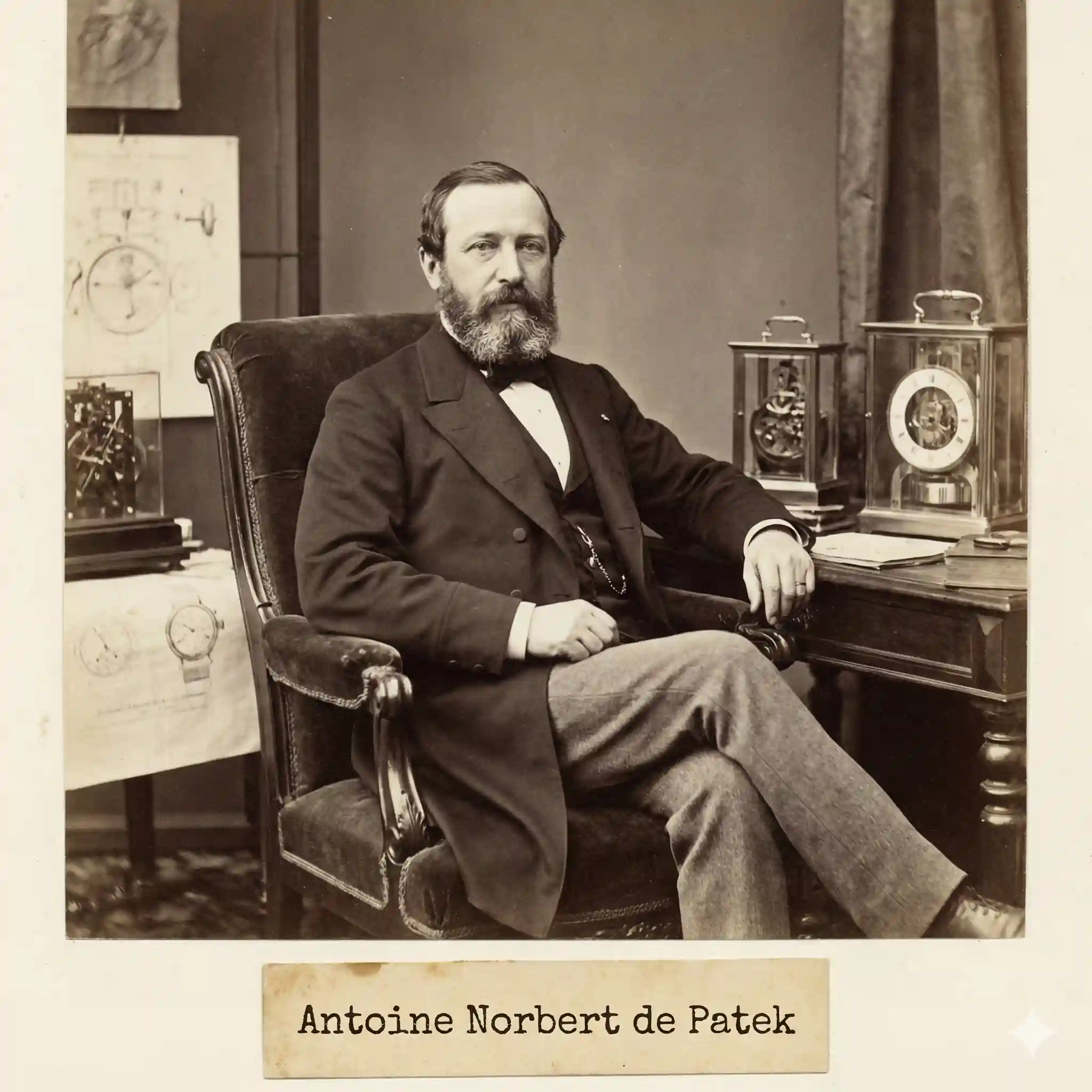
You might think Patek Philippe was always a giant of the watch world, but it actually started with a refugee soldier and a lucky break. In 1839, a Polish freedom fighter named Antoine Norbert de Patek started a small watch company with a partner named Czapek. It was good, but not great. They needed a spark to truly stand out in the crowded Swiss market.
The “Impossible” Invention
The real magic happened by accident in 1844. Patek visited an exhibition in Paris and met a French genius named Adrien Philippe. Imagine having to use a tiny, easy-to-lose key every time you wanted to wind your watch. Annoying, right? Well, Adrien Philippe had just invented the solution: a modern system to wind watches without a key. Patek saw the potential immediately. He essentially said, “Come to Geneva quickly, and let’s build something incredible.”
Royal Approval: Patek Philippe Became Legendary
By 1851, they officially joined forces to form Patek Philippe. They didn’t just make watches; they made art. They became so famous for their quality that even Queen Victoria bought their watches! This royal stamp of approval turned them into a global sensation, proving they were the best in the world.
The Secret of the Stern Family
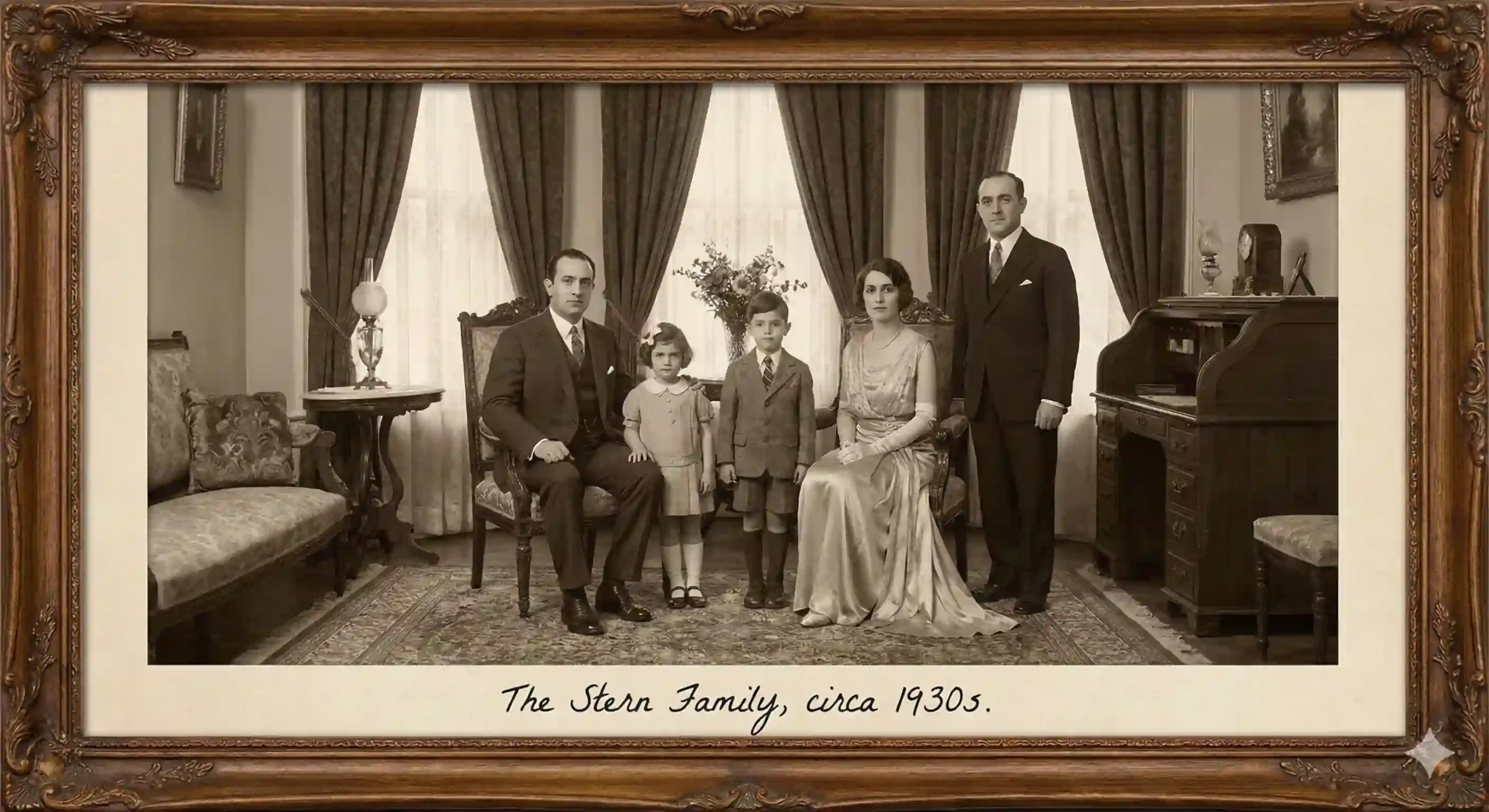
But here is the twist: The company almost didn’t make it. During the Great Depression in 1932, the business was struggling to survive. That’s when the Stern family—who were just suppliers of watch dials at the time—stepped in to buy the company and save it. They are the reason Patek Philippe is still the “King of Watches” today, proving that sometimes, independence is the ultimate luxury.
Risks That Built Patek Philippe’s Empire
The Year Everything Changed (1851)
If you think Patek Philippe was just a local Swiss secret, think again. 1851 was the year they went global. It started at the Great Exhibition in London, where Queen Victoria herself fell in love with their work. She bought a pendant watch with blue enamel and diamonds, instantly making Patek Philippe the “must-have” brand for royals. But they didn’t stop at royalty—they wanted America too.
The Secret “Tiffany” Connection
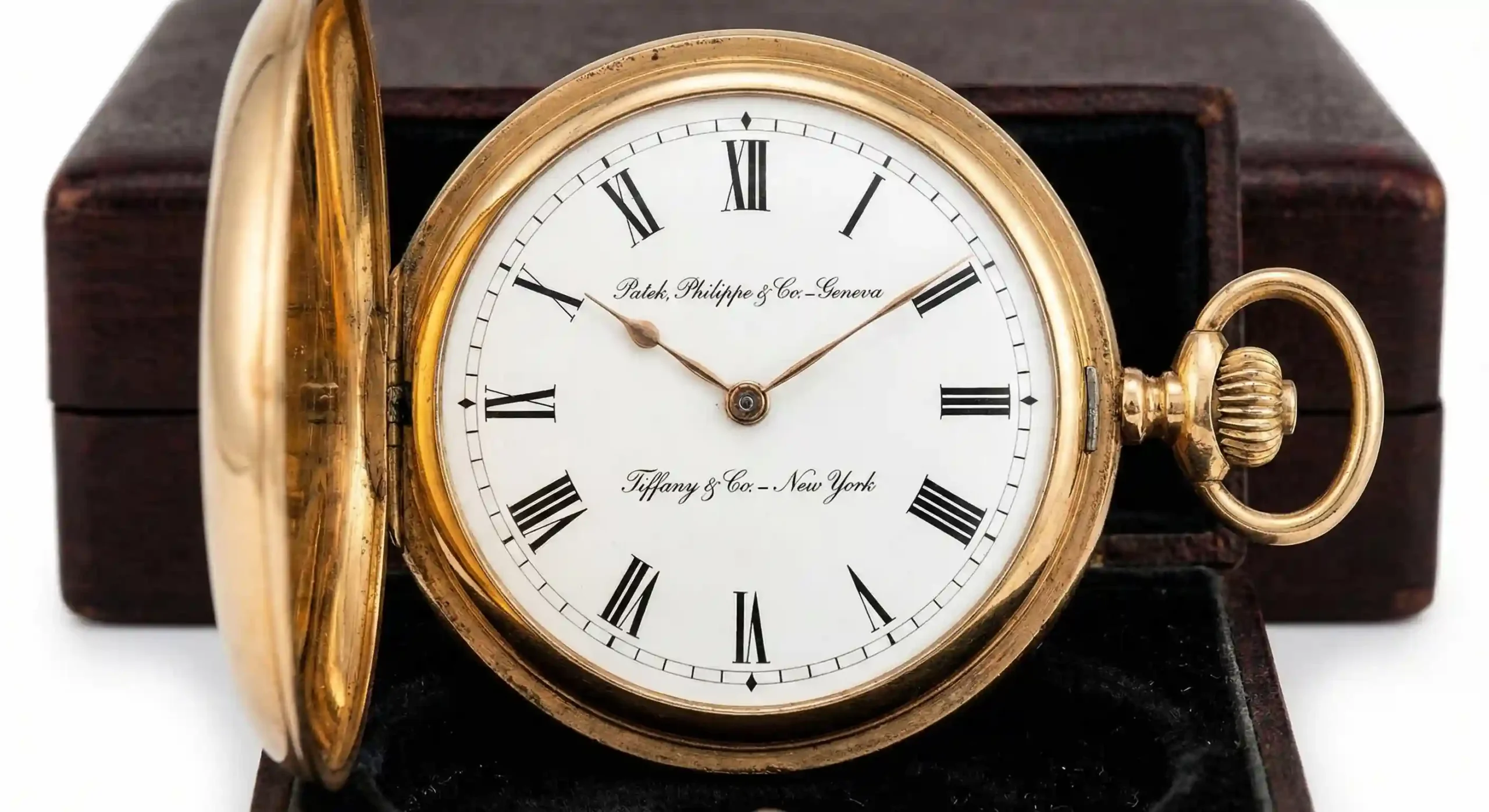
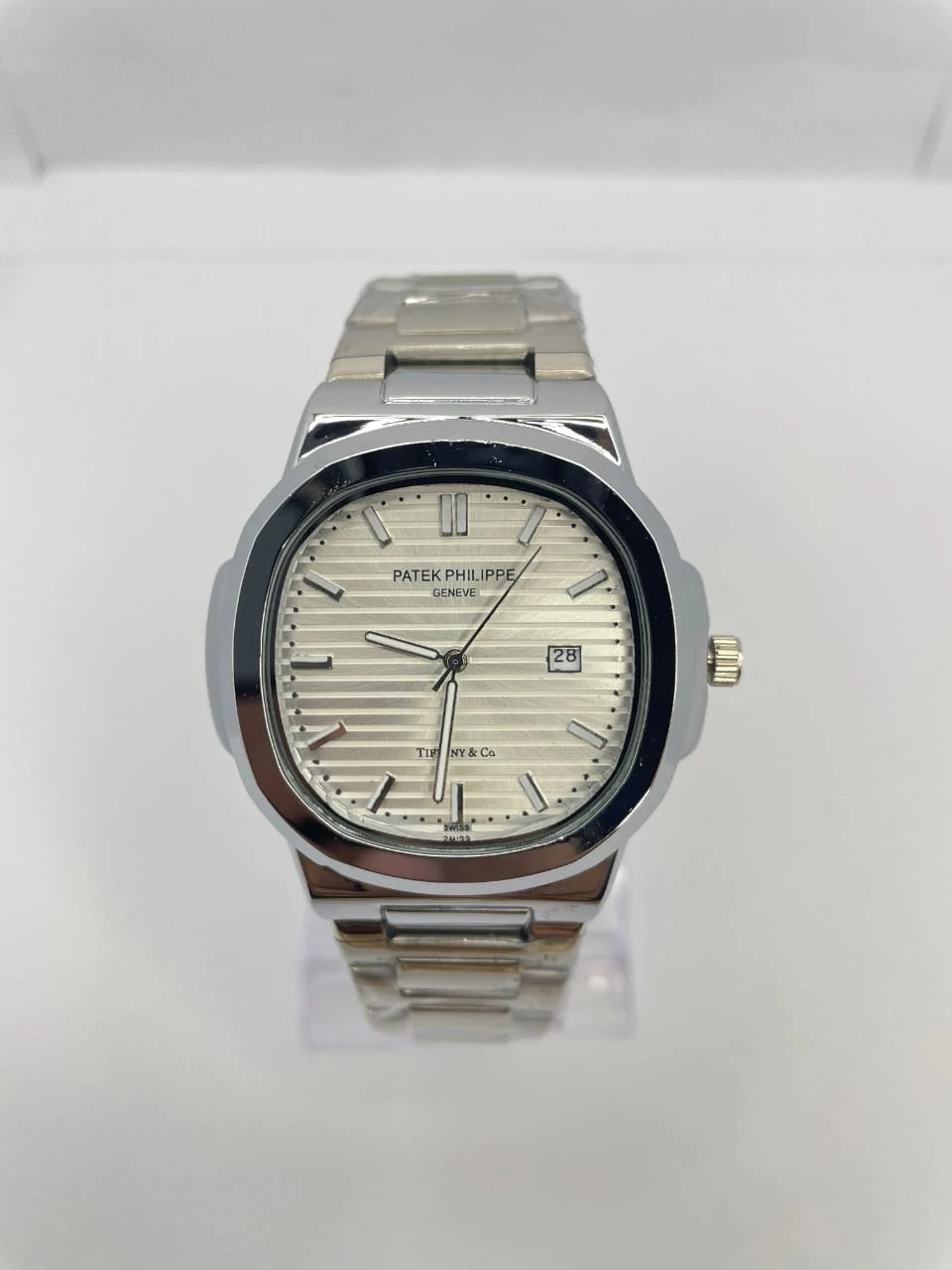
Have you ever seen a Patek Philippe with “Tiffany & Co.” written on the dial and wondered why? Here is the story. In that same year, 1851, Antoine Patek traveled to New York and met Charles Lewis Tiffany. They shook hands on a partnership that changed luxury forever. To this day, Tiffany & Co. is the only retailer in the world allowed to stamp their name on a Patek Philippe watch. It’s a rare privilege that collectors go crazy for.
Einstein, Countesses, and World Firsts
Patek Philippe didn’t just make watches; they invented history.
- The First Wristwatch: In 1868, they made the very first Swiss wristwatch for a Hungarian Countess. Before that, everyone just used pocket watches!
- The Genius Choice: Even the smartest man in history, Albert Einstein, ordered a gold pocket watch from them in 1915—the same year he finished his Theory of General Relativity.
How a Family Saved the Brand (1932)
Despite all this success, the Great Depression almost destroyed the company. They needed a miracle. That miracle came from the Stern family, who were actually just suppliers of watch dials at the time. They bought Patek Philippe in 1932 to save it from bankruptcy. This move secured the company’s future and kept it independent, allowing them to stay at the top of the watch world for nearly 100 years since.
Patek Philippe Innovations Changed History
The Genius Who Hated Broken Watches
You know how frustrating it is when gadgets break? Adrien Philippe felt the same way back in the 1800s. He wasn’t just a businessman; he was a technical visionary. One of his coolest inventions was the “slipping mainspring.” It sounds complicated, but it solved a huge problem: it stopped people from accidentally breaking their watches by winding them too hard. This obsession with quality didn’t stop there. Over the years, Patek Philippe has filed more than 100 Patents. From the first double chronograph to the clever “Annual Calendar” in 1996, they have spent two centuries inventing things that other brands simply copy.
Two Icons You Need to Know
If you want to spot a Patek Philippe in the wild, look for these two legends:
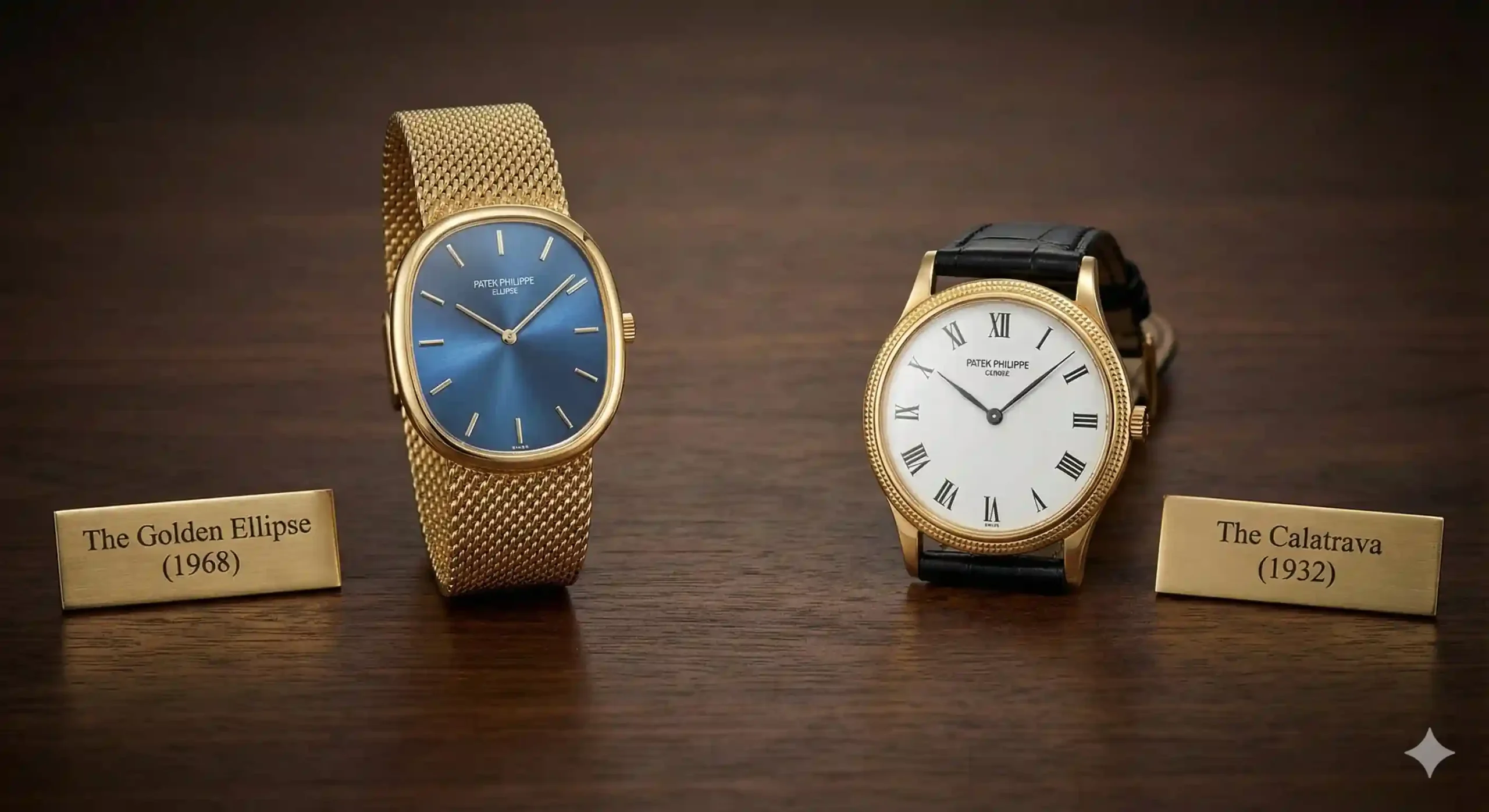
- The Calatrava (1932): Launched during the Great Depression, this watch is the definition of “less is more.” Simple, elegant, and timeless. It’s widely considered the perfect dress watch.
- The Golden Ellipse (1968): This one is special because it’s based on the “Golden Ratio”—a mathematical formula for beauty found in nature. It’s not a circle, and it’s not a square. It’s unique, just like the people who wear it.
Stern Family: The Saviour
The $24 Million Watch That Took 8 Years to Build
Before the Stern family took over, Patek Philippe created something so complex it almost defies physics. In 1925, an American banker named Henry Graves Jr. asked for the most complicated watch ever made. It took 8 years to design and build! Completed in 1933, the “Henry Graves Supercomplication” had 920 parts and 24 different functions. It was a mechanical monster. Today, it’s a legend—selling for over $24 million at auction. It proved that even during tough times, Patek was years ahead of everyone else.
The “Dial Makers” Who Became Kings
But even super-watches couldn’t stop the Great Depression. By 1932, the global economy had crashed, and Patek Philippe was in trouble. Enter Jean and Charles Stern. They weren’t random investors; they were the trusted suppliers who made Patek’s dials. They bought the company to save it, but they had a strict rule: Quality first, profit second. This decision changed everything. They immediately launched the Calatrava collection—a simple, elegant watch that saved the brand’s finances and is still their flagship model today.
Four Generations of Perfection
Since 1932, the Stern family has treated Patek Philippe like a child, not a corporation. Each generation added something legendary:
- The 2nd Generation (Henri Stern): He took the brand to America and the world, making Patek a global status symbol.
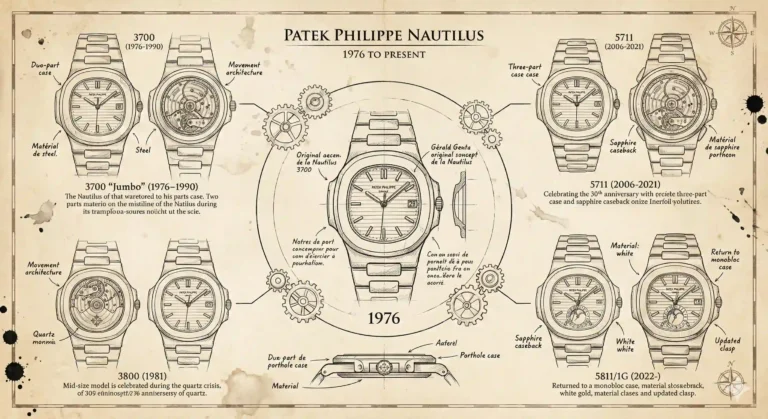
- The 3rd Generation (Philippe Stern): He gave us the icons we fight over today, like the Nautilus (launched in 1976) and the Aquanaut. He also built the famous Patek Philippe Museum.
- The 4th Generation (Thierry Stern): Leading the company today, Thierry ensures that Patek remains the last family-owned independent watchmaker in Geneva.
From the Nautilus to the Future
Under the Sterns, Patek Philippe didn’t just survive; they defined cool. Whether it was the steel luxury of the Nautilus in the 70s or the modern Aquanaut for divers, they proved they could do sport and dress watches better than anyone else. Today, Thierry Stern continues to release masterpieces like the Grandmaster Chime, proving that after 180 years, they are still just getting started.
One of the most important chapters in this journey is the Nautilus, and we’ve broken down its full evolution in our detailed History of the Patek Philippe Nautilus, from its 1976 debut to today’s most coveted references.
Final Thoughts
From keyless winding in the 1800s to the modern Nautilus craze, Patek Philippe has proven one thing: they don’t follow trends; they set them. You aren’t just buying a watch; you are buying a “blue-chip” asset that often holds its value better than gold. While the initial price tag might shock you, seasoned collectors know the truth: these watches are actually a steal when you consider the craftsmanship and resale value compared to the mass-produced hype of other brands like Rolex or Omega.
Whether you are chasing a vintage Calatrava or a sporty Aquanaut, owning a Patek Philippe is the endgame for every collector. It’s an heirloom destined to be cherished for generations. Ready to elevate your timepiece? Even the world’s finest watch needs the perfect pairing. Check out our exclusive collection of custom watch straps to add that final touch of personal elegance to your legacy.
Nice information